
Contents
05 Jun 2023 • 13 minutes
How to Update Test Hardware with Minimal Impact on the Production Line
This white paper details proven strategies for hardware updates and modular systems. Discover methods to integrate reliable components, lower costs, and minimize system downtime.
Introduction
Test programs represent a significant investment in money, time, and potential revenue for an electronics manufacturing company. Any time a test system is not up and running, an organization stands to lose productivity and earnings while waiting for a new part, attempting to install a cumbersome update, or working around outdated hardware.
Savvy test program managers know that creating and maintaining a flexible, easily updateable test system is imperative to ensuring a program’s longevity and optimized operation for years to come. By combining commercial off-the-shelf (COTS) technology with customized product functionality and knowledgeable supplier partners, you can reduce downtime and futureproof your systems.
Challenges of Maintaining a Test System
Most test program managers know the headaches associated with keeping a test system up-to-date, especially legacy systems that represent a substantial investment and must be kept running, as opposed to being scrapped and rebuilt. As components age, they may begin to experience increased malfunction and breakage. Finding replacement parts for older components can be a real challenge, increasing your downtime as you wait for a new part. Even more troublesome is learning that a part has been discontinued completely, leaving you with few, and inevitably costly, options for repair.
Additionally, while operating system updates can be very helpful for new security features and functionality, they can cause incompatibilities with legacy systems and hardware components. Software updates can result in long downtimes, costing you precious time, money and potentially product shipments. Finally, as younger engineers enter the workforce and bring new ideas to the table – from programming languages to OS choices – test systems should also evolve to embrace these new potential increases in efficiency and performance.

Expected Test System Needs
Test programs encompass a unique set of requirements and goals that make hardware maintenance particularly imperative and challenging. While reliability and repeatability are key necessities, a test system must also be able to:
- Evolve with new technologies.
- Incorporate potential efficiency increases.
- Make legacy components work with OS updates without causing the system to lag or break.
- Reduce downtime as much as possible.
- Accommodate the replacement of broken parts easily and quickly.
|
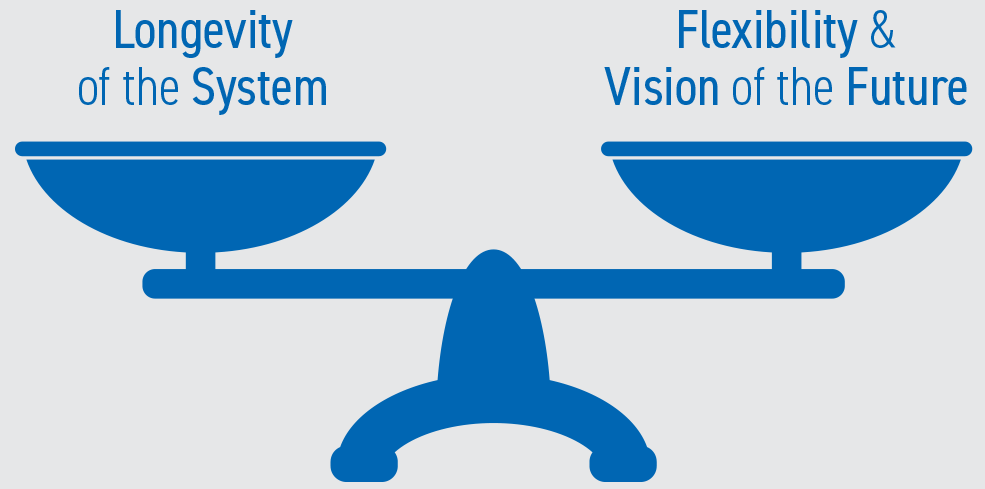
Managers must balance the longevity of the system – and all its associated investments over the years – with flexibility and a vision of the future. Test systems typically offer a key differentiator and customization for their programs that set them apart from competitors; these features must be nurtured and expanded upon over time. Finally, test program managers and their teams need dependable and knowledgeable support from the supplier partners, knowing that help is only a phone call or e-mail away. |
 |
Benefits of Updating a Test System
|
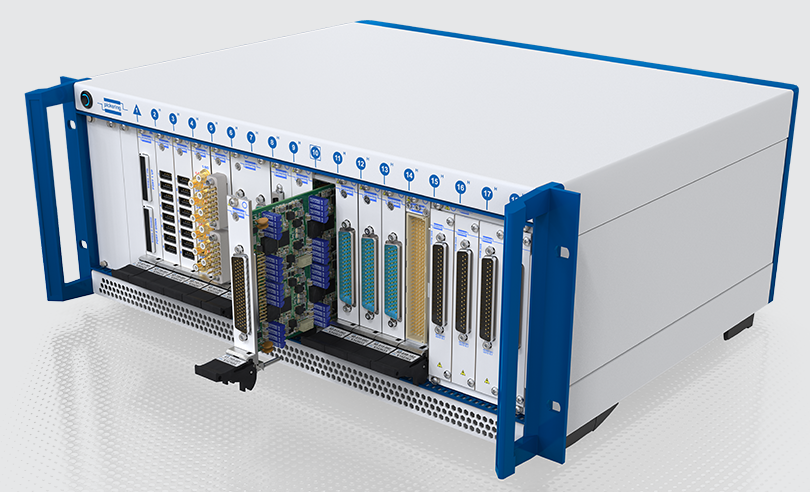
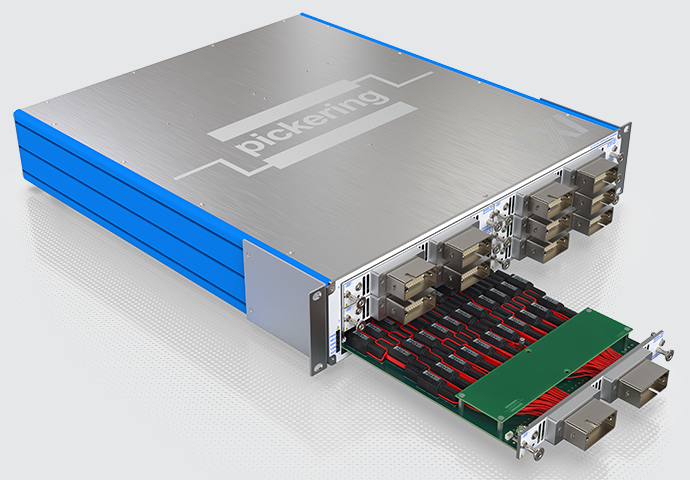
While updating your test system may take some forethought and agility, the benefits of doing so are numerous, both in preventing later disruption and increasing future productivity. Taking advantage of newer, open technologies like PXI and LXI helps ensure your system is able to evolve with new demands and technologies, while still maintaining your ability to run a customized system. Embracing a modular approach with easily updateable parts keeps your system nimble and leading-edge. Additionally, using COTS components with strong supply chains reduces downtime when systems require replacement parts. Instead of tracking down an old legacy component, you can easily locate and replace broken or malfunctioning components with new parts, getting you back up and running more quickly. |
 |
|
Updating your test system also unlocks the benefits of newer software functionalities, such as reduced test times, improved test efficiency, and more effective test system self-test and diagnostics. Additionally, some suppliers offer simulation tools that allow you to design and troubleshoot your programs while you wait to receive your new hardware components. This increase in efficiency can save you substantial headaches and system downtime, and ensure that when you receive your hardware, you’re ready to plug it in and go. |
How to Streamline the Integration of New Technologies
Once you’ve endeavored to begin updating your test system, there are several recommendations for making the process as smooth and efficient as possible. These include:
- Plan Ahead to Save Cost: If you are still in the design phase, you have the benefit of future-proofing your system from the start. Consider starting with a scalable switching system rather than trying to add one in later. You may actually minimize the number of switches you ultimately need by incorporating a flexible switching strategy from the outset.
- Utilize Modular COTS: Technologies like PXI and LXI allow you greater flexibility and performance, and even lower hardware costs than previous technologies. Embracing the newer modular instruments ensures greater availability of parts when replacements are needed, as well as more vendor options that you can mix and match to truly customize your system.
- Don’t Forget About Operating Systems: Although you may be focused on your hardware updates, you should always keep the evolution of operating systems in your scope of consideration. As licensing costs increase, there is a shift towards more modern languages. Newer engineers are offering different ideas, practices, and programming languages. Ensure that your new hardware supports a wide range of language choices, whether NI LabVIEW, C/C++, .NET, Python, or others. If possible, perform any upgrades on an offline system in case there are installation problems.
- Take Advantage of Simulation Tools: Reduce downtime as you’re waiting for your new test system hardware components by utilizing simulation tools that show how your components will be functioning together once installed. This allows for design iterations and test program development before your new hardware even arrives, and before a costly test system is online and running. Simulation tools allow you to recreate a wide range of conditions and variables to avoid errors in the future.
- Leverage Experienced Suppliers: Do your homework and select the best supplier partners for your test requirements. The quality and availability of long-term support can vary greatly among potential suppliers, so be sure to inquire on what and how it will be available. Ideally, you can easily reach your supplier quickly and talk with knowledgeable team experts who possibly even designed the product you’re using. Some suppliers offer onsite training and can even help you with fault-finding to increase your success with their products. Others may work with you to create a truly customized solution based on your specific needs and requirements.
- Work with a Forward-Thinking Attitude: At the end of the day, it’s the test program managers and designers who must always be looking for ways to improve the flexibility and agility of a system. Keeping up-to-date on evolving technologies and trends, while looking for potential areas to increase the open nature of your system, can have great benefits for your program in the long run.
Choosing an In-House Design/Build vs. Using Outsourced Partner
Trusted suppliers can work hand-in-hand with your team, taking your requirements to create a bill of materials, 3D models, example programs, drivers, and more. Experienced suppliers will offer you simulation tools that help you preview how your new hardware will fit into your existing test system, to ensure that you are ready to plug-in and go when you receive your new parts. Suppliers can also assist you in the integration phase of your new components, offering training, providing fault-finding capabilities, and even writing new driver software as needed.
When choosing a partner, it’s also important to consider its staff and locations, especially if you will be deploying your test system to another country. Make sure your supplier can support any updates and onsite maintenance required once the system is accepted and testing product.
Questions to ask a Potential Test System Partner...
Choosing a supplier for your new hardware is an important decision, as the relationship involves substantial time, money, and potential interactions. It’s always a good idea to vet your potential suppliers with questions such as:
- Support: What kind of personal support is available? Can I reach someone by phone/email/video, preferably in my local language? Some support staff read off scripts, while others offer real domain knowledge.
- Knowledge Base: How much product knowledge does your support staff possess? Ideally, you will be working with people who know the products and possibly even designed them.
- Training: Do you offer onsite training? There are times when you may need a supplier to come to your system and assist you in the integration. Ensure that is an option.
- Size: What is the size of the company? Smaller size can mean the agility to create more customized options.
- Backward Compatibility: How do your products work with legacy hardware? It’s imperative that everything works together, especially with newer software platforms.
- Driver Preferences: Does the company offer a single driver for all modules? How easy is it to use? Multiple drivers can increase complexity and make the learning curve steeper.
- Maintenance Process: How do they help you manage obsolescence?
- Supply Chain Access: If something breaks, how quickly can you repair or replace? ● Examples: Do you have an example (or two) of hardware updates where the process was smooth and successful?
Why Pickering?
In 1988, Pickering Interfaces introduced its first modular switching systems and instrumentation for electronic test and simulation. For decades, we’ve seen the increasing need for test engineers to easily update and/or repair their systems without significant interruption to their production lines.
With our expertise in PXI and LXI, we help our customers with as much – or as little – as needed. We can help develop an entirely new solution if one doesn’t exist, or we can customize a product you already have. Since everything is done in-house – hardware, software, mechanical design, and build – we have the flexibility to develop and produce just about anything a customer requires. Program managers appreciate the fact that we offer a single driver for all our product offerings, making implementation truly straightforward. Simply swap in a new module, and it still works. We provide extensive software support, training, and significantly streamline test system maintenance via our diagnostic test tools, which enable users to quickly identify and repair faulty relays in our switching systems.
Looking to the Future
In the years to come, maintaining legacy systems and creating new, flexible systems will continue to be key. The ability to update your test systems will remain important for the foreseeable future. We predict that we will see more of these generational shifts:
- More moves from Windows to Linux
- Increase in transitions to modern programming languages like Python
- Testing from 2G all the way to 6G
- Server-based applications collating data from globally distributed testers, cloud-based test systems and Industry 4.0 methodology
As always, it is important to stay ahead of the curve without neglecting the masses. The key to finding that balance is to use easily available, flexible technologies. Updating your test system can be a real pain, but working with experienced, knowledgeable suppliers can help you work smarter and not harder. By leveraging PXI, LXI, and universal driver technologies, you ensure your system is agile and ready to adapt easily to any challenges or changes in the future.


