

Medical electronics are becoming more complex, connected, and software-defined, while the cost of failure is rising. We help medical device and medical equipment manufacturers build long-lifecycle automated test systems that simulate real-world signals, inject faults, validate embedded software, and support stable production test from the first prototype to the third decade.
Application Areas in Medical Device Test
Verification & Validation
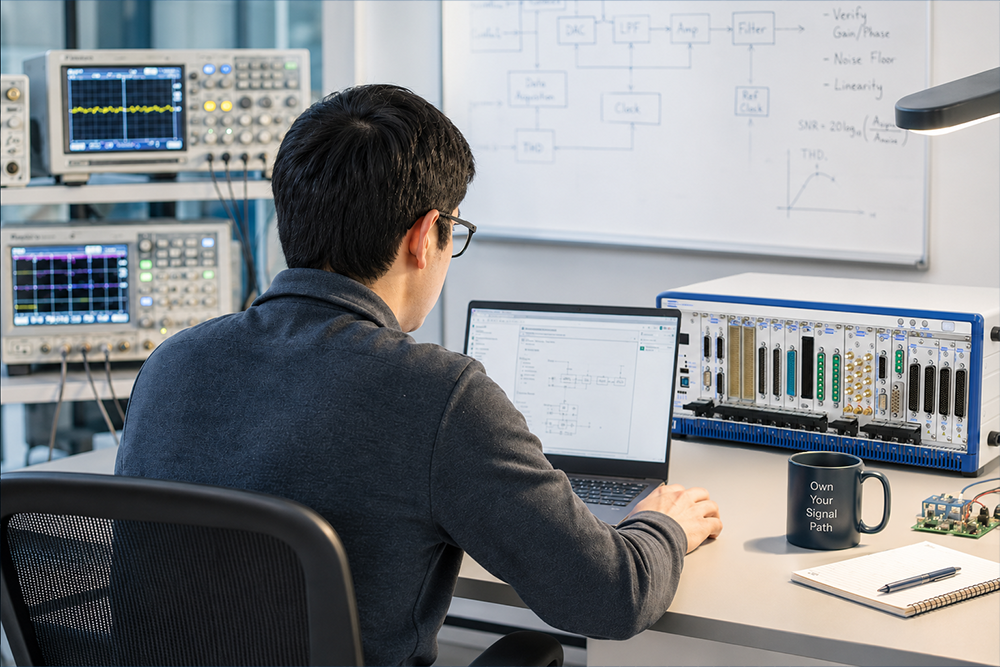
Research and development of medical devices requires high-performance test systems that can adapt to rapid iterations and evolving requirements, with the flexibility to include simulation, fault insertion, switching, and instrumentation modules for hardware-in-the-loop (HIL) testing, and to ensure compliance with industry standards. Our modular PXI and LXI solutions enable efficient test architectures, allowing teams to configure, expand, or upgrade systems as new specifications emerge. This modularity supports complex signal switching and sensor simulation during the design stage and enables seamless scalability—from benchtop prototyping to comprehensive validation and verification.
Product Families:

Related Content:
Functional Test
Functional production testing of medical devices requires flexible instrumentation and precise, consistent signal routing across a wide range of signal domains, including low-level analog/digital, high voltage, and RF/microwave. Challenges include maintaining signal integrity, managing complex switching topologies, and supporting frequent design iterations while ensuring repeatability and traceability. In addition, compliance-driven requirements such as automated pass/fail evaluation and comprehensive data logging can further increase system complexity.
We address these varied demands with modular switching, simulation, and instrumentation solutions that enable scalable, reconfigurable test systems from R&D through to high-volume production. This modular approach enables automated test sequencing, rapid reconfiguration, and parallel test execution, while maintaining signal fidelity and system reliability. The result is a flexible, high-performance test infrastructure capable of continuous operation, reduced integration effort, and efficient scaling to meet production demands.
Product Families:
System Design and Deployment
Designing and deploying complex medical device test systems requires rapid development and seamless integration, while incorporating accuracy, repeatability, and proven long-term reliability, not to mention coordinating technology, ensuring system compliance, and aligning with tight schedules and budgets.
Solutions:
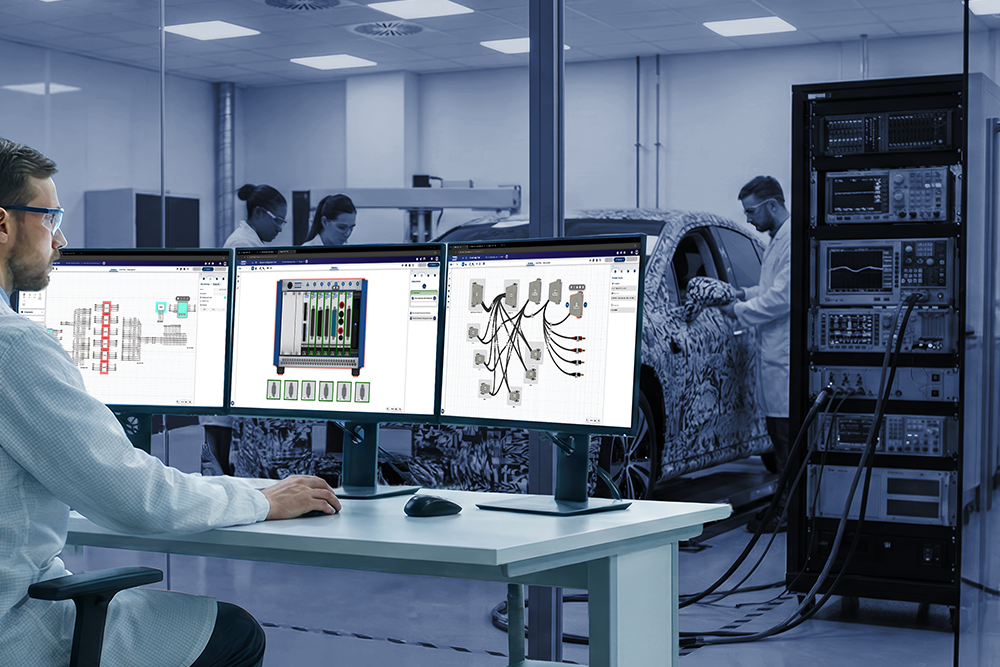
- Engineering Tools: With Test System Architect and our Microwave Switch Design Tool, your team can efficiently go from a simple sketch to a fully configured system design with custom cabling in minutes.
- Software: We provide software drivers for all our PXI and LXI products supporting all popular Application Programming tools and Operating systems, and offer diagnostic test tools, scan-list test program sequencing, and Switch Path Manager (SPM) signal routing software.
- PXI & LXI Simulation Tools: Develop and test system software independent of your application hardware, minimizing time spent accessing the physical system.
- Global Partner Network: Leverage our comprehensive partner network for effective integration, consulting, and on-site expertise to facilitate rapid troubleshooting and refined system integration.
- Long-Term Product Sustainability: We prioritize longevity and support across all our systems to minimize the total cost of ownership and maintain a proactive, low-obsolescence strategy.
Related Content:
Related Content:
Custom Connectivity Solutions
Medical device verification and testing often present challenging connectivity demands, including custom cable assemblies, unique connectors, and specialized interfaces. Managing risks such as signal degradation, crosstalk, and inconsistent results—especially in high-density or high-speed environments—requires rigorous engineering controls. Delays in sourcing tailored connectivity can disrupt project schedules and reduce system reliability.
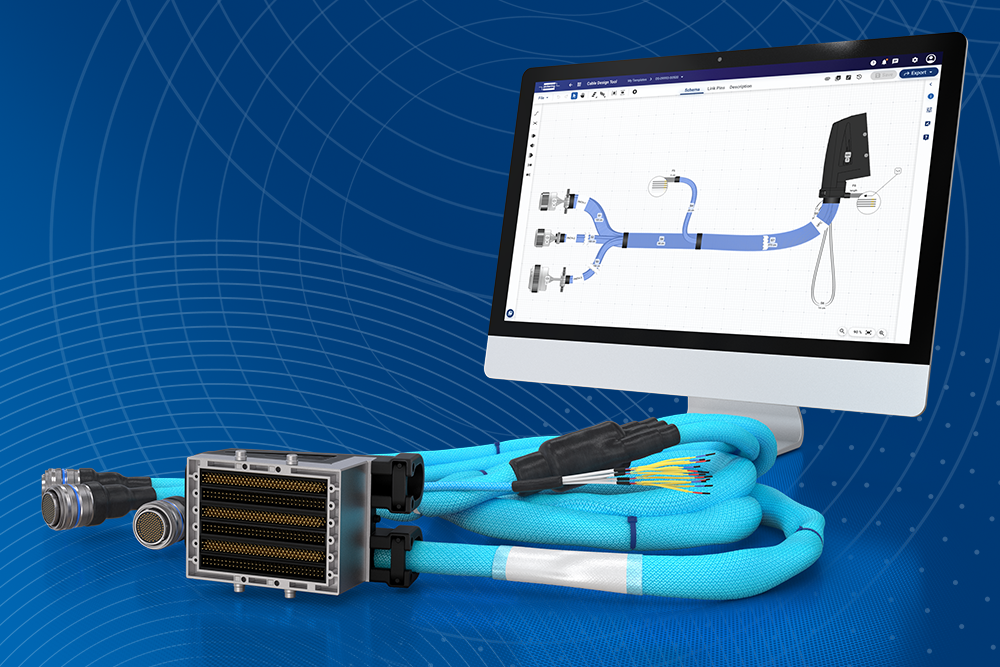
We address these issues through our in-house cable design and manufacturing capabilities, employing precise engineering, high-quality materials, and strict quality control to ensure test system signal integrity. Our experienced engineers collaborate directly with clients using our free Cable Design Tool to produce standard and custom connectivity solutions for prototypes or high-volume runs, with no minimum order requirements. Our streamlined processes also enable rapid design iterations and reduced lead times, so custom assemblies are delivered on schedule for efficient system integration.
Our Solutions
- Custom Cable and Connectivity Solutions: We provide both standard and tailored connectivity options, regardless of order size, supporting even the most specialized testing needs.
- Free, Graphical Cable Design Tool

Hardware-in-the-Loop Aids Medical Device Compliance
Equipment used in medical diagnostics, procedures, and treatment, as well as implantable devices such as pacemakers, must comply with industry standards and strict regulations to assure patient safety, device interoperability, and electromagnetic compatibility. In this article, we discuss how employing hardware-in-the-loop (HIL) simulation...
Medical Device Functional Testing: Ensuring Precision, Safety, and Manufacturing Quality
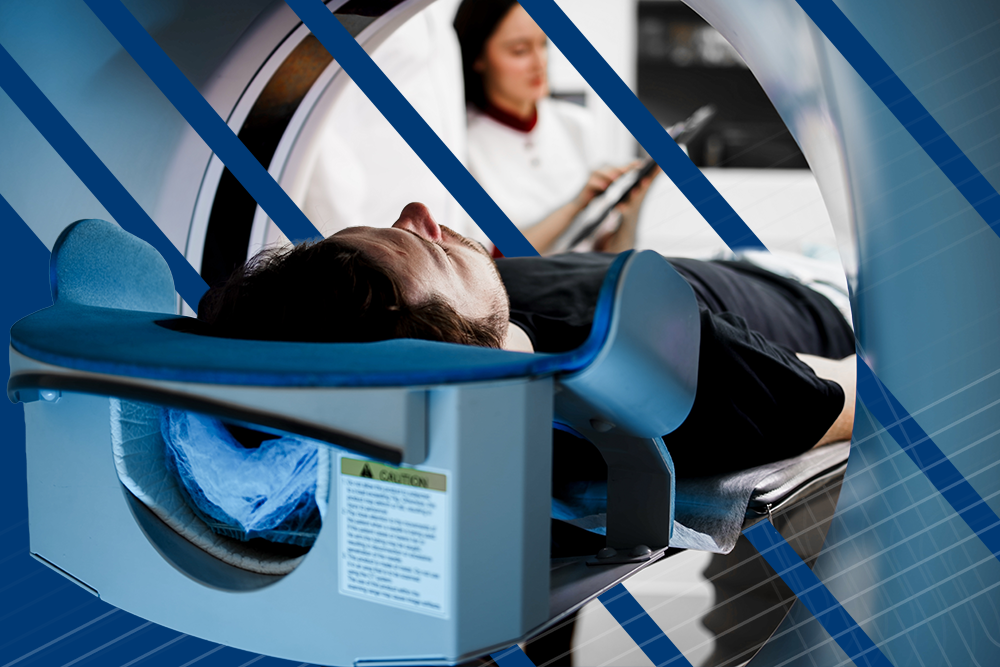
Medical device functional testing is a critical part of manufacturing quality assurance. Before a medical device can be released for clinical use, manufacturers must verify that it operates safely, accurately, and consistently in accordance with defined performance specifications. Whether the device is...

Specifying Switching for Medical Device Testing
Electronic medical devices and applications are on the rise. New diagnostic tools to detect cancers and other internal health issues, as well as implantable and wearable devices to detect physical anomalies, make adjustments to heart rhythms, and automatically report to your doctor via the internet, are just a few examples of market growth and opportunities....


